Taste-intent understanding
Recognizes compound intent like “for commuting, goes with a trench coat, no obvious logos” — aesthetics and scene included.

Start from one natural-language request: it understands taste intent, compares candidates, explains its reasons, and closes the loop from discovery to decision in real consumption contexts.

Search engines return endless links; recommendation feeds return “you might like this”. Neither takes responsibility for the decision.
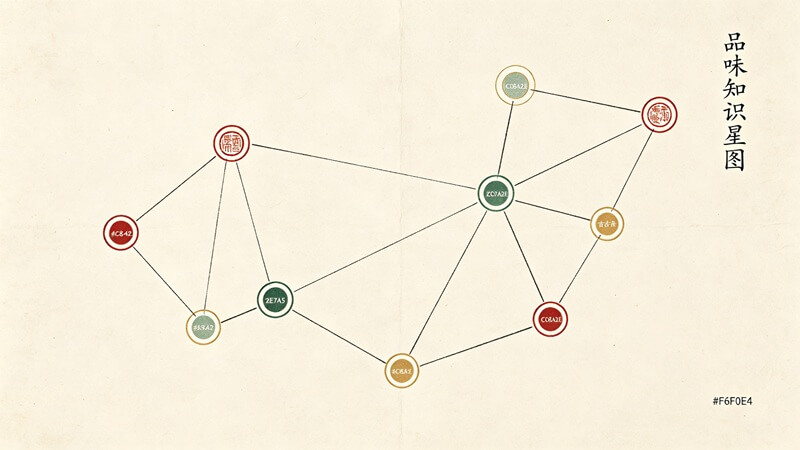
The Decision Agent enters through the taste search engine and reasons on the Taste Knowledge Graph, aiming to finish the final mile: a compared, explainable, clear recommendation under real constraints.
Recognizes compound intent like “for commuting, goes with a trench coat, no obvious logos” — aesthetics and scene included.
Candidates across price bands, brands and styles are compared within one taste coordinate system.
Understands the tacit requirements of gifting, festivals, workplaces and regional culture.
Every suggestion carries reasons and evidence — no black-box “you might like this”.
Complex decisions break into traceable steps: clarify, filter, compare, decide.
With user consent, taste preferences accumulate — it gets sharper over time instead of starting from zero.
State the need in natural language; the Agent proactively clarifies key constraints and taste leanings.
It expands candidates over the knowledge graph, reads cultural context and compares across dimensions.
A clear recommendation with reasons and alternatives; next steps follow, and feedback refines the result.
When a need like “French-vintage style, fits a small apartment, budget ¥3,000” cannot be understood by keyword search, taste search offers a new entry point.
It maps the aesthetic and scene language in natural language onto the Taste Knowledge Graph, returning not web links but understood products, brands and option sets ready for the Agent to reason on.
Start with one request and get a compared, explainable, high-quality choice.